
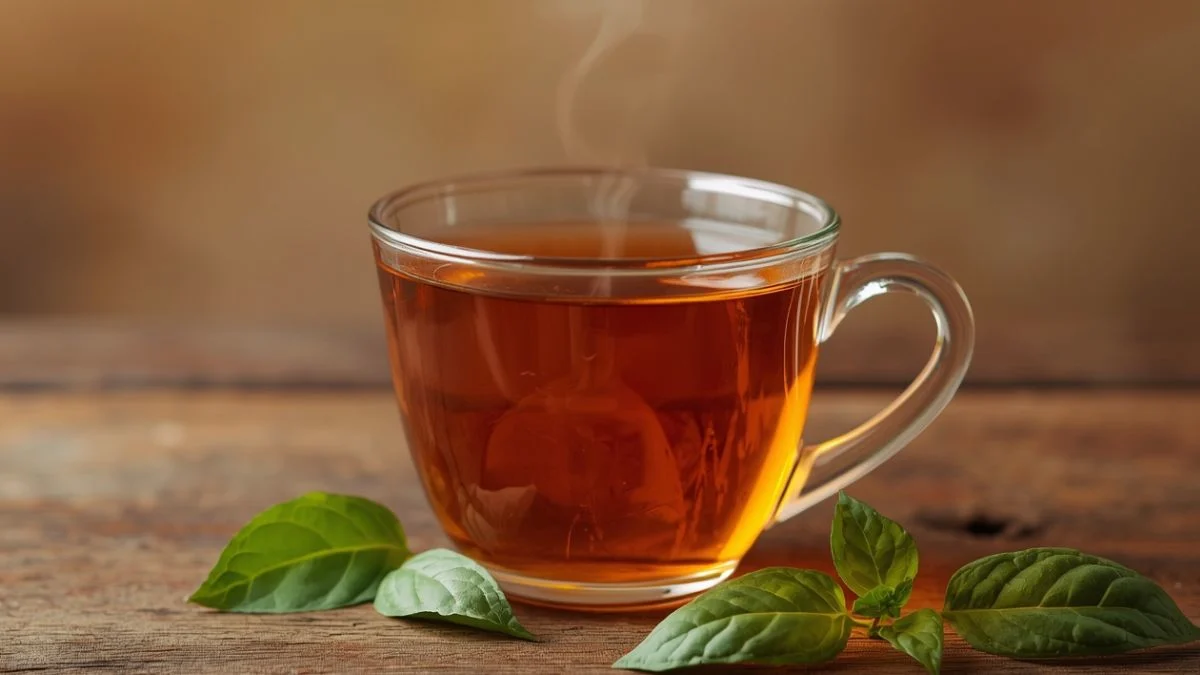
Tulsi tea—also known as Holy Basil tea—is a herbal infusion made from the leaves of the Ocimum tenuiflorum plant. In Ayurveda, it’s celebrated as an “adaptogenic herb” known for supporting balance, stress relief, immune function, and overall wellness.
Modern interest in tulsi tea has grown due to its natural antioxidants, soothing aroma, and potential health benefits. This guide explores what tulsi tea is, its history, nutritional profile, science-backed advantages, and how to prepare it properly.
Herbal teas have been treasured for centuries, but among all of them, tulsi tea holds a unique cultural and medicinal significance.
Known as the “Queen of Herbs,” tulsi has deep roots in ancient Indian healing systems and continues to be researched today for its wellness potential.
This article provides a comprehensive of Tulsi Tea—what it is, why it matters, and how it can enrich your daily wellness routine.
What Is Tulsi Tea?
Tulsi tea is an herbal drink made from dried or fresh tulsi leaves. Tulsi (Holy Basil) belongs to the Lamiaceae family—similar to basil, mint, and oregano. In Ayurveda, tulsi is considered a “rasayana,” meaning a rejuvenating herb that supports longevity and vitality.
Key varieties of tulsi used in tea:
-
Rama Tulsi – Green leaves, sweet subtle flavor
-
Krishna Tulsi – Purple leaves, spicy and peppery notes
-
Vana Tulsi – Wild variety with a strong aromatic profile
Many commercial tulsi teas blend these three for a balanced taste and enhanced therapeutic richness.
Origins and Cultural Significance:
Tulsi is more than just a plant—it is an important symbol in Indian households and Ayurvedic medicine. Ancient texts describe it as a sacred herb capable of restoring balance between the body and mind. For over 5,000 years, tulsi has been used in preparations for respiratory support, stress management, and overall wellness.
Today, global consumers enjoy tulsi tea as a natural, caffeine-free beverage suitable for any time of day.
Read Next; Green Tea Leaves | Types, Benefits & How to Use Them
Nutritional and Phytochemical Profile:
Tulsi leaves contain a variety of compounds associated with potential health-supporting properties:
-
Eugenol
-
Rosmarinic acid
-
Apigenin
-
Luteolin
-
Ursolic acid
-
Flavonoids & polyphenols
These compounds are known for their antioxidant, adaptogenic, and soothing properties.
According to various herbal research summaries, tulsi leaves exhibit strong antioxidant capacity, which may help the body manage oxidative stress.
Health Benefits of Tulsi Tea:
Below is a semantic-rich, evidence-informed overview of tulsi tea’s major benefits. These points reflect general research trends but do not replace medical advice.
1. Helps Support Stress Relief and Emotional Balance
Tulsi is widely recognized as an adaptogen—a plant that helps the body cope with stress.
-
According to various Ayurvedic references, tulsi helps promote a sense of calm and relaxation.
-
Modern herbal studies often highlight tulsi’s potential role in moderating stress-related responses.
Its grounding aroma and warm infusion also make it a relaxing beverage after a long day.
2. Rich in Natural Antioxidants
Tulsi tea contains flavonoids and polyphenols that help neutralize harmful free radicals.
-
According to modern phytochemical analyses, tulsi shows significant antioxidant activity.
-
These antioxidants may support overall cellular health and general wellness.
Consuming antioxidant-rich beverages can be a simple step toward supporting a healthy lifestyle.
3. Supports Immune Wellness
Tulsi has been traditionally used to support immunity.
-
Some herbal research suggests tulsi may help maintain normal inflammatory responses.
-
Its essential oils (like eugenol) are known for protecting the body from common environmental stressors.
Many people drink tulsi tea during seasonal changes for its warming and comforting feel.
4. May Help Support Respiratory Comfort
In Ayurveda, tulsi is one of the top herbs for respiratory well-being.
While NOT a medical treatment, tulsi’s natural aromatic oils may support:
-
Easier breathing
-
Throat comfort
-
Relief from seasonal dryness
According to classical Ayurvedic texts, tulsi leaves were traditionally brewed to help soothe the respiratory tract.
5. Promotes Digestive Comfort
Tulsi tea is naturally soothing and mild, helping support healthy digestion.
-
The essential oils in tulsi may promote gastrointestinal balance.
-
Warm herbal teas, in general, support digestion by relaxing the stomach and improving hydration.
Drinking tulsi tea after meals is a common wellness practice.
6. Supports Energy and Vitality (Without Caffeine)
Unlike green or black tea, tulsi tea is naturally caffeine-free, yet many people report feeling refreshed after drinking it.
This rejuvenating effect comes from its adaptogenic and aromatic qualities rather than stimulants.
7. May Support Healthy Blood Sugar Balance (General Evidence)
Some early-stage studies indicate tulsi may support normal blood sugar levels.
-
According to small-scale research summaries, tulsi extracts showed potential in supporting metabolic balance.
-
More robust clinical evidence is still needed.
Still, many wellness enthusiasts enjoy tulsi tea as part of a balanced lifestyle.
8. Encourages Mental Clarity
The aroma compounds in tulsi are linked with improved clarity and alertness.
-
According to various herbal sources, tulsi’s natural oils may help support cognitive well-being.
-
Many people drink tulsi tea during meditation or morning routines for a clear start to the day.
How to Make Tulsi Tea:
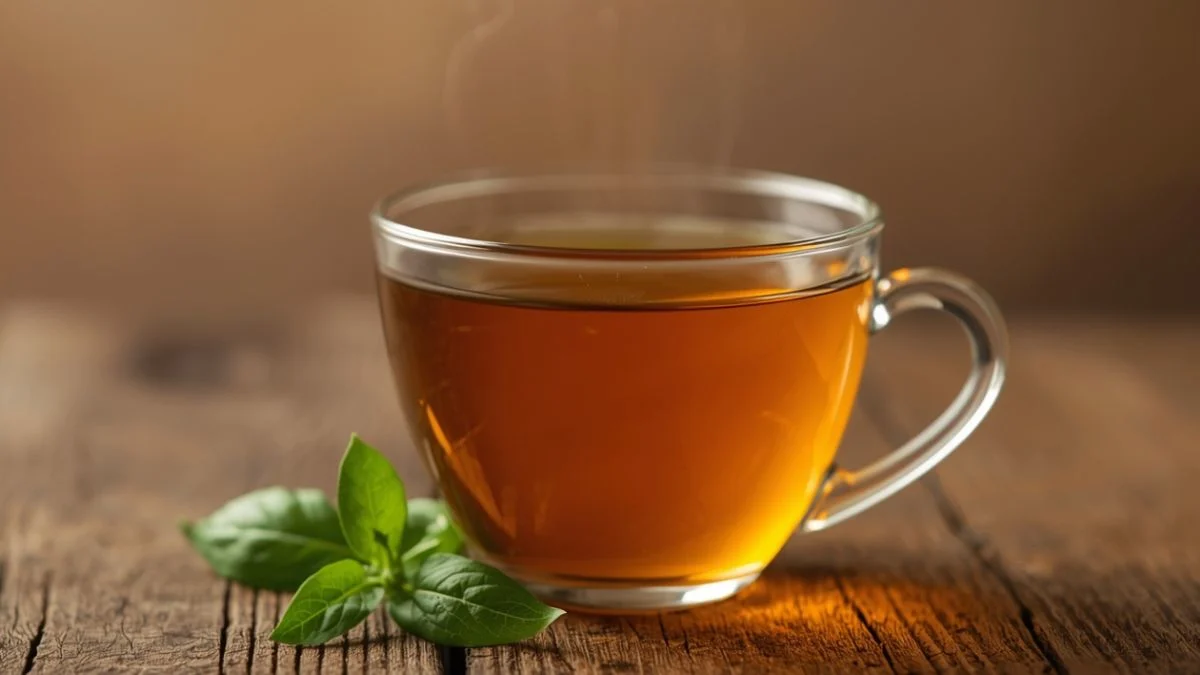
Making tulsi tea at home is simple and requires minimal ingredients.
Ingredients
-
1 teaspoon dried tulsi leaves or
-
4–5 fresh tulsi leaves
-
1 cup hot water
-
Optional: honey, ginger, lemon
Instructions
-
Boil water.
-
Add tulsi leaves and steep for 5–7 minutes.
-
Strain and sip warm.
For deeper flavor, combine tulsi with herbs like ginger, lemongrass, cardamom, or mint.
Types of Tulsi Tea Available:
1. Pure Tulsi Tea
Single-ingredient herbal tea made from dried tulsi leaves.
2. Tulsi Green Tea
A blend of green tea and tulsi leaves, popular for weight management routines.
3. Tulsi Ginger Tea
Great for digestive comfort.
4. Tulsi Turmeric Tea
A soothing anti-inflammatory style blend.
5. Tulsi Chamomile Tea
Perfect for stress relief and relaxation.
Who Should Consider Tulsi Tea?
Tulsi tea may be beneficial for people seeking:
-
Stress relief
-
Caffeine-free alternatives
-
A soothing bedtime drink
-
Natural immune support
-
Digestive comfort
-
Daily wellness rituals
-
Aromatic herbal beverages
Those with medical conditions should consult their doctor before adding any new herb to their routine.
Potential Precautions:
Tulsi is generally safe, but:
-
Pregnant or breastfeeding individuals should ask their healthcare provider first.
-
People on medications should check for interactions.
-
Overconsumption may cause mild digestive changes in sensitive individuals.
Moderation is key—1–2 cups a day is generally recommended.