
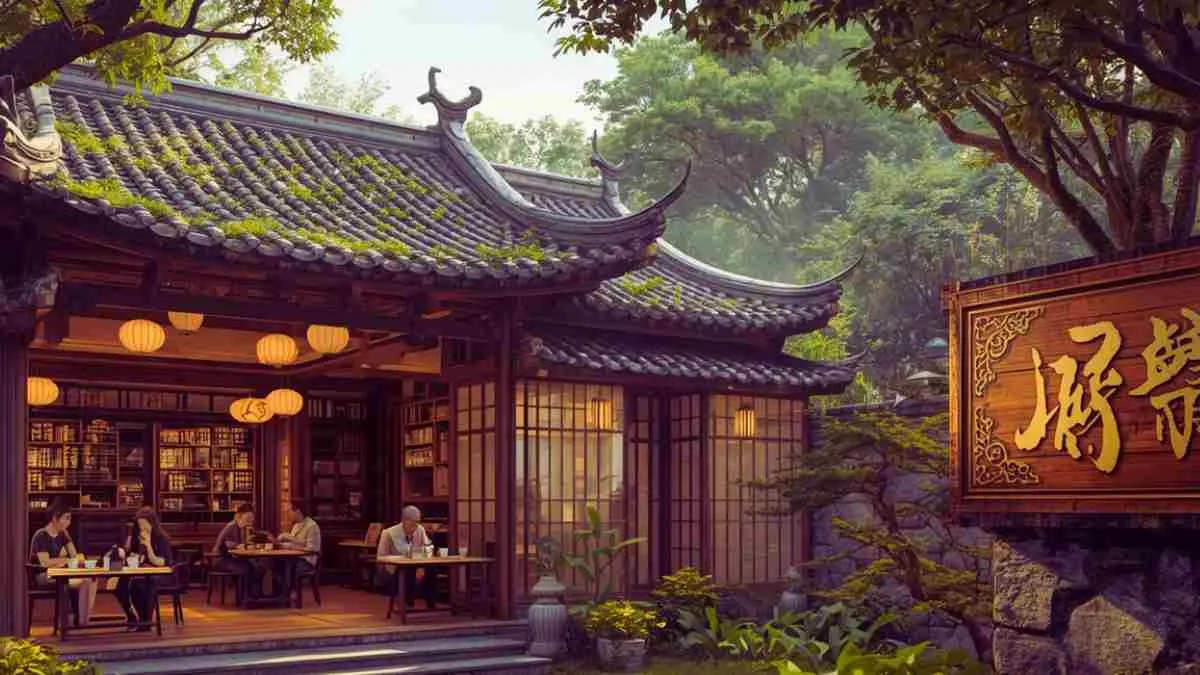
A tea house is a venue dedicated to serving tea, often featuring a variety of loose-leaf teas, herbal infusions, and traditional blends.
Beyond drinks, tea houses provide a calming atmosphere for socializing, relaxation, and cultural experiences.
Popular worldwide—from Japanese chashitsu to British tea rooms—tea houses celebrate the art, history, and ritual of tea.
Tea is one of the world’s oldest and most beloved beverages, enjoyed in countless forms across cultures.
A tea house is more than just a café; it is a place where the ritual of tea drinking comes alive. These establishments offer a curated experience of taste, ambiance, and tradition, making them ideal for both tea connoisseurs and casual drinkers.
From the serene Japanese tea rooms to bustling Moroccan tea houses, each location reflects local culture, history, and tea traditions. Visiting a tea house can be both a sensory experience and a moment of mindful relaxation.
What is a Tea House?
A tea house is a facility designed for serving and enjoying tea. Unlike regular cafés, tea houses focus on the art of tea preparation, presentation, and cultural practices. Key features of tea houses include:
-
Diverse Tea Selection: Loose-leaf teas, herbal blends, green, black, oolong, and specialty teas.
-
Calming Ambiance: Comfortable seating, soft lighting, and often traditional décor.
-
Cultural Experience: Some tea houses provide tea ceremonies, tastings, or workshops.
-
Light Snacks or Pastries: Complementing teas with small bites enhances the experience.
History of Tea Houses:
1. Asia
Tea houses have ancient roots, especially in China and Japan.
-
China: The first tea houses appeared during the Tang dynasty, serving as social hubs where people could drink tea, converse, and enjoy music.
-
Japan: The concept of the chashitsu or tea room is central to the Japanese tea ceremony, emphasizing mindfulness, harmony, and ritual.
2. Europe
Tea houses gained popularity in Europe in the 17th and 18th centuries.
-
England: The British “tea room” culture emerged, offering afternoon tea with scones, sandwiches, and fine teas.
-
Russia: Russian tea houses, or chaikhanas, served as social gathering spots for discussion, business, and leisure.
3. Middle East and North Africa
Tea houses also flourished in Morocco, Turkey, and Iran, often serving mint tea or black tea with sugar in ornate glasses, becoming central to hospitality and social interaction.
Types of Tea Houses:
-
Traditional Tea Houses – Focus on classical tea ceremonies and cultural rituals.
-
Modern Tea Cafés – Blend contemporary coffee-shop aesthetics with a variety of teas.
-
Herbal or Wellness Tea Houses – Specialize in herbal infusions, detox teas, and wellness blends.
-
Specialty Tea Houses – Offer rare teas, single-origin leaves, and expert-led tastings.
Read Next: 5 Best Tea For Sleep And Anxiety
Benefits of Visiting a Tea House:
-
Relaxation and Mindfulness: A calm environment reduces stress and encourages focus.
-
Cultural Exploration: Learn about tea traditions from different countries.
-
Social Connection: Tea houses offer a quiet space to meet friends or network.
-
Education: Workshops and tastings teach brewing methods and flavor profiles.
-
Health Benefits: Access to herbal teas that can promote digestion, sleep, and stress relief.
Popular Teas Served in Tea Houses:
-
Green Tea: Rich in antioxidants and gentle in flavor.
-
Black Tea: Strong, robust flavor, often paired with milk or sugar.
-
Oolong Tea: Semi-oxidized tea with complex aroma and taste.
-
Herbal Infusions: Chamomile, peppermint, hibiscus, and lavender for wellness benefits.
-
Specialty Blends: Signature house blends or seasonal flavors.
Tea House Etiquette:
While practices vary by culture, common etiquette includes:
-
Respectful Behavior: Speak softly and maintain a calm demeanor.
-
Proper Use of Utensils: Learn correct ways to handle tea cups, pots, or tools in ceremonies.
-
Appreciation of Tea: Taste mindfully, noticing aroma, color, and flavor.
-
Cleanliness: Follow any house rules about seating, pouring, or sharing tea.
Modern Tea House Trends:
-
Urban Tea Bars: Combining contemporary décor, Instagram-worthy aesthetics, and a range of teas.
-
Wellness Focused: Offering herbal blends, adaptogenic teas, and stress-relief infusions.
-
Educational Experiences: Tea tasting flights, workshops, and guided ceremonies.
-
Sustainable Practices: Eco-friendly packaging, ethically sourced tea leaves, and minimal waste initiatives.
Why Tea Houses Are Gaining Popularity:
Tea houses provide a break from busy lifestyles, offering moments of peace and mindful enjoyment. The global rise in herbal and specialty teas has also increased interest, as people seek healthier alternatives to coffee and sugary drinks.
In addition, tea houses cater to growing wellness trends by offering teas that support relaxation, digestion, immunity, and mental clarity. The combination of cultural experience, health benefits, and social environment makes tea houses appealing to a broad audience.