
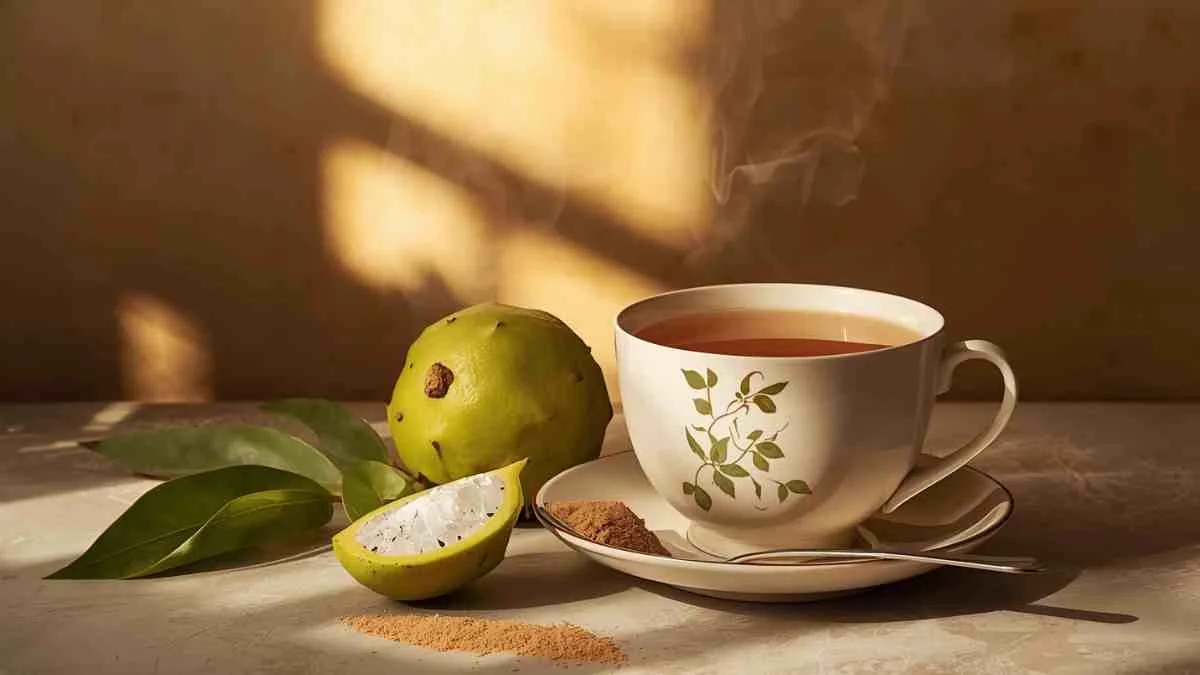
Soursop tea is a natural herbal drink made from the leaves of the soursop tree (Annona muricata). Known for its unique flavor and potential health benefits, it has been used for centuries in traditional medicine in tropical regions.
Soursop tea is caffeine-free, rich in antioxidants, and widely consumed for wellness purposes.
Herbal teas have been enjoyed for thousands of years for their taste, soothing properties, and health benefits. Among these, soursop tea stands out as a unique and beneficial brew.
Made from the leaves of the soursop tree, which grows in tropical regions like the Caribbean, Central and South America, Africa, and Southeast Asia, this tea offers a slightly sweet, tangy flavor with a mild aroma.
Soursop tea is gaining popularity worldwide due to its natural compounds that may support health. From easing digestive issues to promoting relaxation, it is a versatile herbal beverage suitable for daily consumption.
What is Soursop Tea?
Soursop tea is made from the dried leaves of the soursop tree (Annona muricata). It is a herbal infusion, meaning it does not contain true tea leaves from the Camellia sinensis plant.
Instead, the tea captures the essence of soursop leaves, which are packed with antioxidants, vitamins, and minerals.
The tea is naturally caffeine-free, making it an ideal option for children, teens, and adults who want a gentle, relaxing drink any time of the day.
History of Soursop Tea:
Soursop, also known as Graviola or Guanabana, has been used for centuries in traditional medicine. Indigenous communities in tropical regions have long relied on its leaves, fruit, and roots to:
-
Support digestive health
-
Reduce inflammation
-
Enhance relaxation
-
Boost overall wellness
Soursop tea was traditionally prepared by boiling fresh or dried leaves in water. Over time, it became popular not only as a home remedy but also as a commercial herbal tea sold in tea bags and loose leaf form.
Nutritional Components of Soursop Tea:
Soursop tea is known for its rich nutritional profile, including:
-
Antioxidants: Protect the body from free radicals and oxidative stress
-
Vitamins: Includes vitamin C and B-complex vitamins
-
Minerals: Such as potassium, magnesium, and calcium
-
Phytochemicals: Natural compounds that may support health
These compounds make soursop tea not only a flavorful drink but also a potentially beneficial addition to a balanced diet.
Health Benefits of Soursop Tea:
1. Rich in Antioxidants
Antioxidants in soursop tea help neutralize harmful free radicals in the body. According to NCBI studies, these compounds may support immune function and reduce oxidative stress.
2. Supports Digestive Health
Soursop tea has traditionally been used to ease digestive issues, including bloating, constipation, and stomach discomfort. Its natural compounds may help promote healthy digestion.
3. Anti-Inflammatory Properties
Some studies suggest that soursop leaves contain anti-inflammatory compounds, which may help reduce swelling and support joint health.
4. Stress Relief and Relaxation
Soursop tea is caffeine-free and mildly sedative, making it ideal for promoting relaxation and improving sleep quality. Traditional medicine in Caribbean regions often uses it to calm anxiety and restlessness.
5. Potential Antimicrobial Effects
Research published in journals like PubMed indicates that soursop leaf extracts may have antibacterial and antiviral properties, potentially helping the body fight infections.
How to Make Soursop Tea:
Making soursop tea is simple and can be done using fresh or dried leaves.
Ingredients:
-
5–10 soursop leaves (fresh or dried)
-
2–3 cups of water
-
Honey or lemon (optional)
Instructions:
-
Wash the leaves thoroughly.
-
Boil water in a pot.
-
Add leaves to boiling water and simmer for 10–15 minutes.
-
Remove from heat and strain the tea.
-
Sweeten with honey or add lemon if desired.
Enjoy the tea warm or cold. It can be consumed 1–2 times a day for wellness benefits.
Varieties of Soursop Tea:
Commercially, soursop tea is available in:
-
Loose Leaf: Pure leaves for a traditional brewing experience
-
Tea Bags: Convenient, ready-to-brew packs
-
Blended Herbal Teas: Combined with other herbs like lemongrass, ginger, or peppermint for added flavor and health benefits
These options make soursop tea easy to enjoy anywhere, whether at home, work, or school.
Safety and Precautions:
While soursop tea is generally safe for most people, consider the following:
-
Moderation: Excessive consumption may cause adverse effects due to certain alkaloids in leaves
-
Pregnancy and Breastfeeding: Consult a doctor before use
-
Medical Conditions: People with low blood pressure or taking certain medications should speak to a healthcare provider
Why Soursop Tea is Popular:
-
Natural and Caffeine-Free: Suitable for all ages
-
Traditional and Cultural Value: Part of Caribbean and Latin American herbal traditions
-
Potential Health Benefits: Antioxidants, anti-inflammatory, and calming properties
-
Versatility: Can be served hot or cold, plain or blended
Its natural flavor, wellness support, and cultural roots make it a tea loved by health-conscious individuals worldwide.
Soursop Tea in Modern Culture:
Soursop tea has become increasingly popular in global wellness communities. Social media platforms and health blogs often highlight its potential benefits, recipes, and brewing tips.
Herbal tea enthusiasts appreciate its gentle taste and natural properties, while traditional communities continue to value it for its medicinal uses.
Last Call:
Soursop tea is more than just an herbal drink; it is a natural wellness beverage with a rich history and many potential health benefits. From supporting digestion and relaxation to providing antioxidants and anti-inflammatory properties, soursop tea is a versatile and soothing choice for tea lovers of all ages.
If you enjoy it as a daily ritual, a natural remedy, or a refreshing beverage, soursop tea offers both flavor and wellness in every cup.