

Drinking tea is one of the oldest and most widely enjoyed wellness habits in the world. From traditional green and black teas to herbal infusions like chamomile, peppermint, and hibiscus, tea offers a calming ritual alongside potential health benefits.
Tea is more than just a drink; it is a part of human history, culture, and daily comfort. Whether you sip it in the morning for energy, enjoy it in the afternoon for relaxation, or drink it at night to unwind, tea creates a moment of mindfulness.
Across Asia, Europe, Africa, and the Americas, tea has shaped social customs, spiritual practices, and healing traditions for thousands of years.
Today, tea is the second most consumed beverage in the world, after water. It comes in countless varieties, each with its own flavor, aroma, and potential health benefits.
This article explores why drinking tea remains a beloved ritual, the different types of tea people enjoy, and what modern research suggests about its benefits.
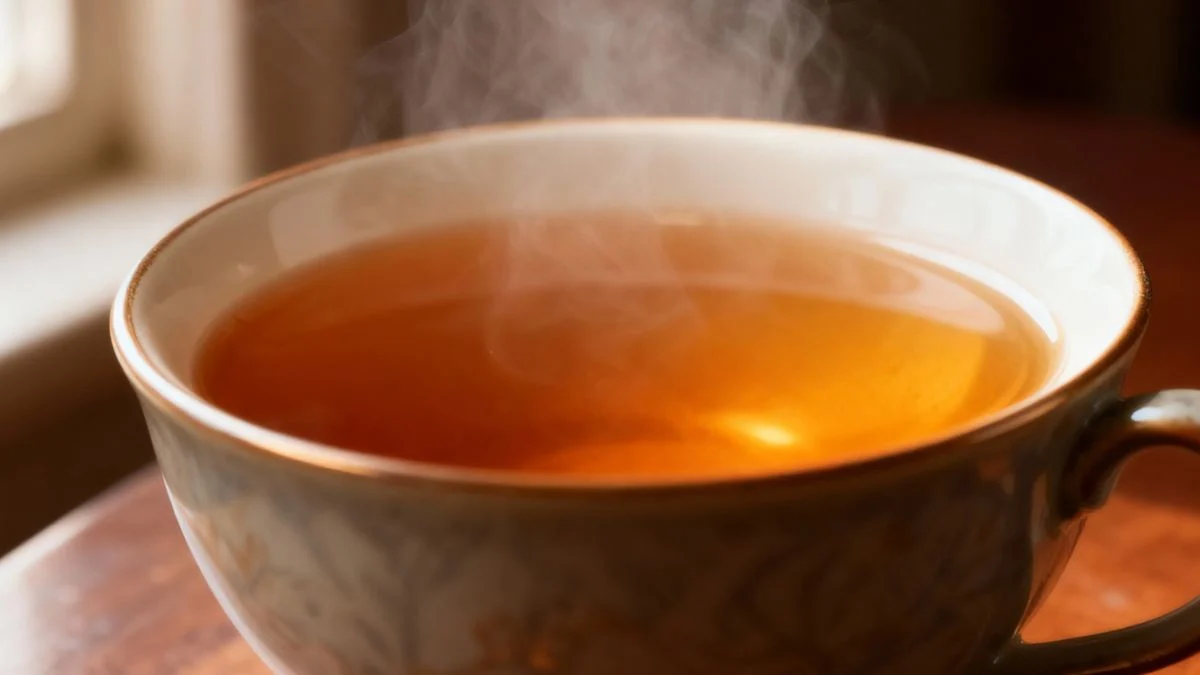
What Does It Mean to “Drink Tea”?
Drinking tea refers to consuming brewed beverages made from Camellia sinensis (traditional tea) or from herbs, flowers, roots, fruits, and spices (herbal infusions).
Traditional Teas Include:
-
Green tea
-
Black tea
-
White tea
-
Oolong tea
-
Yellow tea
-
Pu-erh tea
Herbal Teas Include:
-
Chamomile
-
Peppermint
-
Rooibos
-
Hibiscus
-
Ginger
-
Tulsi (holy basil)
-
Lavender
Traditional teas contain caffeine and antioxidants, while herbal teas are naturally caffeine-free and often used for relaxation or wellness.
Why Drinking Tea Is So Popular:
Tea’s popularity comes from a combination of flavor, comfort, health associations, and cultural significance.
Common reasons people drink tea
-
To start the day with clarity
-
To relax and reduce stress
-
To hydrate the body
-
To support digestion
-
To enjoy a flavorful, low-calorie beverage
-
To connect with cultural or spiritual traditions
According to historical records, tea has been used since ancient China for its soothing effects and communal value.
Read Next: Tulsi Tea | Benefits, Uses & Why You Should Drink It
Health Benefits of Drinking Tea:
1. Rich Source of Antioxidants
Tea contains powerful antioxidants such as:
-
Catechins (in green tea)
-
Flavonoids (in black tea)
-
Polyphenols (in all traditional teas)
These compounds help protect the body from oxidative stress.
According to various nutritional studies, antioxidants may support healthy aging and cellular protection.
2. Drinking Tea May Support Heart Health
Regular tea consumption is associated with cardiovascular wellness.
How tea may support the heart:
-
Helps maintain healthy blood circulation
-
Supports healthy cholesterol balance
-
Contains plant compounds associated with vascular protection
According to multiple health publications, moderate tea intake may contribute to long-term heart health as part of an overall balanced lifestyle.
3. Tea Drinking Supports Hydration
Although tea contains caffeine, moderate amounts do not cause dehydration.
According to hydration research, tea contributes to daily fluid intake, especially herbal varieties.
Hydrating choices:
-
Herbal teas
-
White tea
-
Green tea
4. Supports Relaxation and Mental Wellness
Certain teas are popular for their calming effects.
Teas known for relaxation:
-
Chamomile – traditionally used for calming the nerves
-
Lavender tea – soothing aroma
-
Tulsi tea – used in wellness traditions for reducing stress
-
Matcha or green tea – contains L-theanine for calm focus
According to various herbal studies, these teas may help promote a sense of relaxation and emotional balance.
5. Supports Cognition and Energy Levels
Caffeinated teas like green, black, and oolong offer a gentle energy lift without the jitteriness associated with coffee.
Why tea supports focus:
-
Contains mild caffeine
-
Contains L-theanine (in green tea)
-
Supports mental clarity and alertness
According to cognitive research, the L-theanine–caffeine combination may support attention and focus.
6. May Support Digestive Comfort
Tea has long been associated with digestive wellness.
Helpful teas:
-
Ginger tea – warming and comforting
-
Peppermint tea – soothing and cooling
-
Fennel tea – traditionally used after meals
According to herbal traditions, these teas may help support digestive balance and comfort after eating.
7. Supports Metabolism and Weight Balance
Some teas are associated with metabolic benefits.
Green tea
-
Contains EGCG
-
Often used for metabolism support
-
Mildly increases energy expenditure
Various research reviews highlight green tea’s catechins as contributors to metabolic balance.
Drinking Tea Around the World (Cultural Entity Overview):
Tea plays a central role in many cultures:
1. China
-
Birthplace of tea
-
Green tea and pu-erh tea are deeply rooted in tradition
2. Japan
-
Matcha and ceremonial tea practices
-
Tea represents mindfulness and harmony
3. India
-
Chai is a cultural staple made with black tea, spices, and milk
-
Assam and Darjeeling are world-famous teas
4. United Kingdom
-
Afternoon tea culture
-
English Breakfast and Earl Grey are widely enjoyed
5. Middle East & North Africa
-
Mint tea traditions symbolize hospitality
-
Strong black tea with herbs is common
6. South Africa
-
Rooibos tea is a native, caffeine-free herbal tea
7. United States
-
Iced tea and sweet tea are popular
-
Growing interest in herbal and specialty teas
Tea drinking is both a cultural identity and a personal comfort ritual.
Read Next; Tulsi Tea | Benefits, Uses & Why You Should Drink It
Best Time to Drink Tea:
There is no single perfect time, but here are general guidelines:
Morning
Green tea or black tea for energy and alertness.
Afternoon
Oolong or herbal tea for relaxation and hydration.
Evening
Caffeine-free herbal teas:
-
Chamomile
-
Rooibos
-
Lavender
-
Peppermint
These can help create a calming nightly routine.
How Much Tea Should You Drink Daily?
Most experts agree that 2–4 cups per day is a balanced amount for most people.
Factors to consider:
-
Sensitivity to caffeine
-
Personal hydration needs
-
Health conditions
Herbal teas can be consumed more freely, depending on their ingredients.
Side Effects of Drinking Too Much Tea:
Tea is generally safe but excessive consumption may cause:
-
Trouble sleeping (due to caffeine)
-
Digestive discomfort
-
Reduced iron absorption
-
Mild headaches in sensitive individuals
Moderation is key.
How to Brew Tea Correctly:
Brewing temperature and steeping time affect taste and benefits.
Green tea
-
70–80°C
-
2–3 minutes
Black tea
-
95–100°C
-
3–5 minutes
Oolong tea
-
85–95°C
-
2–5 minutes
Herbal tea
-
95–100°C
-
5–7 minutes
Using fresh water and high-quality tea leaves improves flavor significantly.
Why Drinking Tea Is a Meaningful Ritual:
Tea drinking is more than hydration—it is a ritual of presence and calm.
Tea rituals promote:
-
Slower breathing
-
Mindfulness
-
Stress reduction
-
Emotional grounding
Holding a warm cup has psychological comfort, according to various wellness discussions.
Take Away:
Drinking tea is a simple yet powerful habit that connects history, culture, flavor, and wellness. Whether you choose green tea for its antioxidants, chamomile for its calming properties, black tea for morning energy, or herbal blends for nighttime relaxation, tea fits into every part of daily life.
As research continues to explore its potential benefits, tea remains a timeless beverage that nourishes both body and mind. By incorporating tea into your daily routine, you can enjoy centuries-old traditions, comforting rituals, and a world of flavors in every cup.