
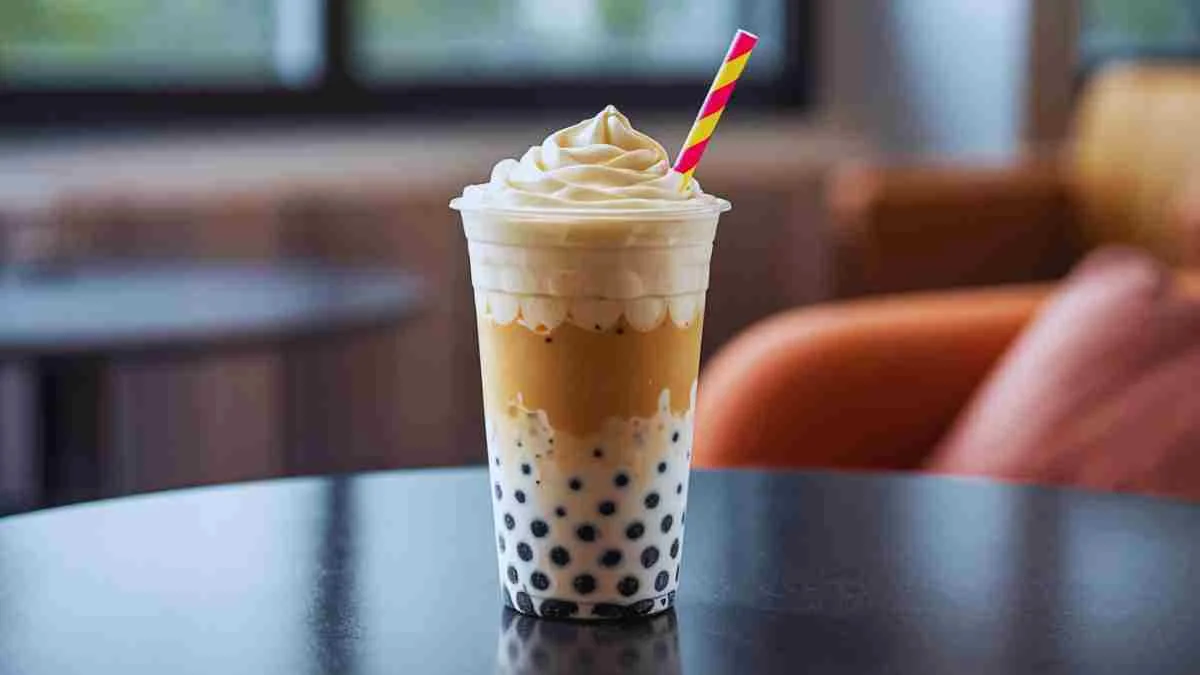
Bubble tea, also known as boba tea, is a drink that has taken the world by storm. Known for its chewy tapioca pearls, vibrant flavors, and customizable options, bubble tea has become a favorite beverage for many. Whether you’re sipping on a fruity, icy blend or a creamy milk tea, bubble tea is not just a drink—it’s an experience.
In this blog post, we’ll explore what bubble tea is, how it’s made, and where it comes from.
We’ll also share some fun and easy bubble tea recipes that you can try at home! Plus, we’ll take a look at what experts say about bubble tea’s health benefits, so you can enjoy your drink with a little more knowledge. Let’s dive in!
What is Bubble Tea?
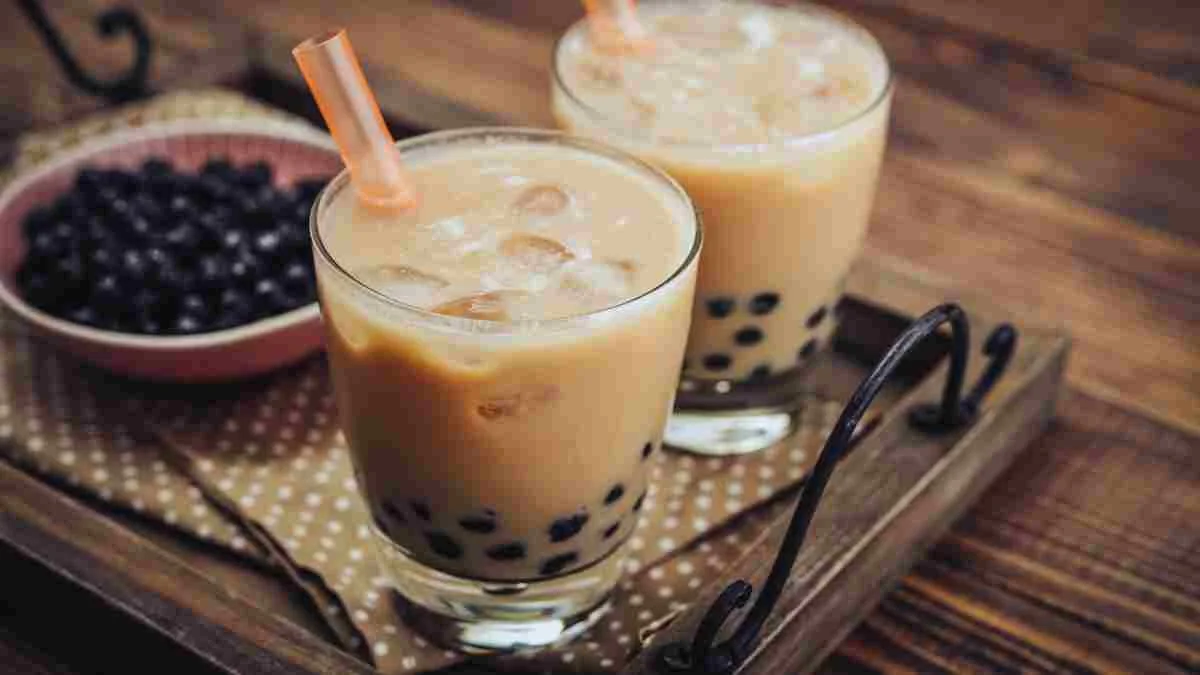
Bubble tea is a popular Taiwanese drink that originated in the 1980s. It combines tea (black, green, or even herbal) with milk or fruit flavoring and is usually served with chewy tapioca pearls, also known as “boba.” The drink is often shaken to create bubbles or foam on top, which is where it gets its name.
The basic ingredients include:
-
Tea: Most commonly black tea or green tea.
-
Milk or Fruit Flavoring: Milk tea is made with regular or condensed milk, while fruit-flavored bubble tea uses fruit syrups or purees.
-
Tapioca Pearls: These chewy balls of starch (usually made from tapioca flour) are the defining feature of bubble tea.
-
Ice: To keep it refreshing and cold.
Over the years, bubble tea has evolved, and now there are many variations, including different toppings (like fruit jelly, popping boba, or aloe vera), different tea bases, and even different sweetness levels. It’s become a worldwide phenomenon, with bubble tea shops popping up everywhere.
History of Bubble Tea:
Bubble tea was invented in Taiwan during the 1980s. While there are a few competing stories about its exact origins, the general consensus is that it was created by a tea shop owner who decided to add chewy tapioca pearls to a sweetened tea drink, creating a unique and fun drink.
Some say it was invented by Lin Hsiu Hui, the owner of a tea stand who added tapioca pearls to milk tea in 1987. Others attribute the creation of bubble tea to a different tea shop in Taichung, Taiwan.
Regardless of its exact origins, bubble tea quickly became a sensation, first in Taiwan and then spreading throughout Asia. It made its way to the U.S. in the 1990s and has since gained popularity all over the world, especially among younger generations. It’s become a trendy drink in places like coffee shops, malls, and online food delivery apps.
How is Bubble Tea Made?
Bubble tea can be made in many ways, but the core process is quite simple. Here’s a basic overview of how bubble tea is made:
-
Brew the Tea: The first step is brewing your choice of tea—black tea, green tea, or even herbal teas. The tea is usually brewed strong to ensure it has a bold flavor that stands out even when mixed with milk or fruit.
-
Prepare the Tapioca Pearls: Tapioca pearls need to be cooked separately. They are boiled until they become soft and chewy, and then soaked in a sugar syrup to give them their sweet flavor.
-
Mix the Tea and Milk (or Fruit): After the tea is brewed and cooled, you can mix it with milk for a creamy milk tea, or add fruit syrups or purees for a fruit-flavored version. The sweetness level can be adjusted to your liking.
-
Combine and Shake: Once you have your tea and milk or fruit mix, pour it into a glass with the cooked tapioca pearls. Add ice, put on a lid, and shake the drink to mix the flavors together.
-
Serve: Finally, add a wide straw (so you can suck up the chewy pearls), and your bubble tea is ready to enjoy!
Popular Bubble Tea Variations:
Bubble tea comes in a variety of flavors, so you can always try something new and exciting. Some of the most popular types of bubble tea include:
-
Milk Tea: This is the classic bubble tea made with black or green tea and milk, usually with tapioca pearls. It’s creamy, sweet, and satisfying.
-
Fruit Tea: This version uses fruit syrups or fresh fruit to flavor the tea, giving it a refreshing, fruity taste. You might find flavors like mango, strawberry, passionfruit, or lychee.
-
Taro Milk Tea: Taro is a root vegetable with a mild, nutty flavor. When blended into milk tea, it gives a creamy, purple-colored drink that’s a fan favorite.
-
Matcha Bubble Tea: Matcha, or powdered green tea, is used to create a creamy, earthy bubble tea. It’s often paired with milk for a smooth, rich flavor.
-
Popping Boba: Instead of regular tapioca pearls, popping boba is filled with juice that bursts in your mouth. These are often used in fruity bubble tea for an extra burst of flavor.
-
Brown Sugar Bubble Tea: This variation uses caramelized brown sugar syrup, giving the drink a rich, caramel-like flavor.
Read Next: Does Oolong Tea Have Caffeine | Everything You Need to Know
Bubble Tea Recipes You Can Try at Home:
Making bubble tea at home is easy and fun! Here are two simple recipes to get you started:
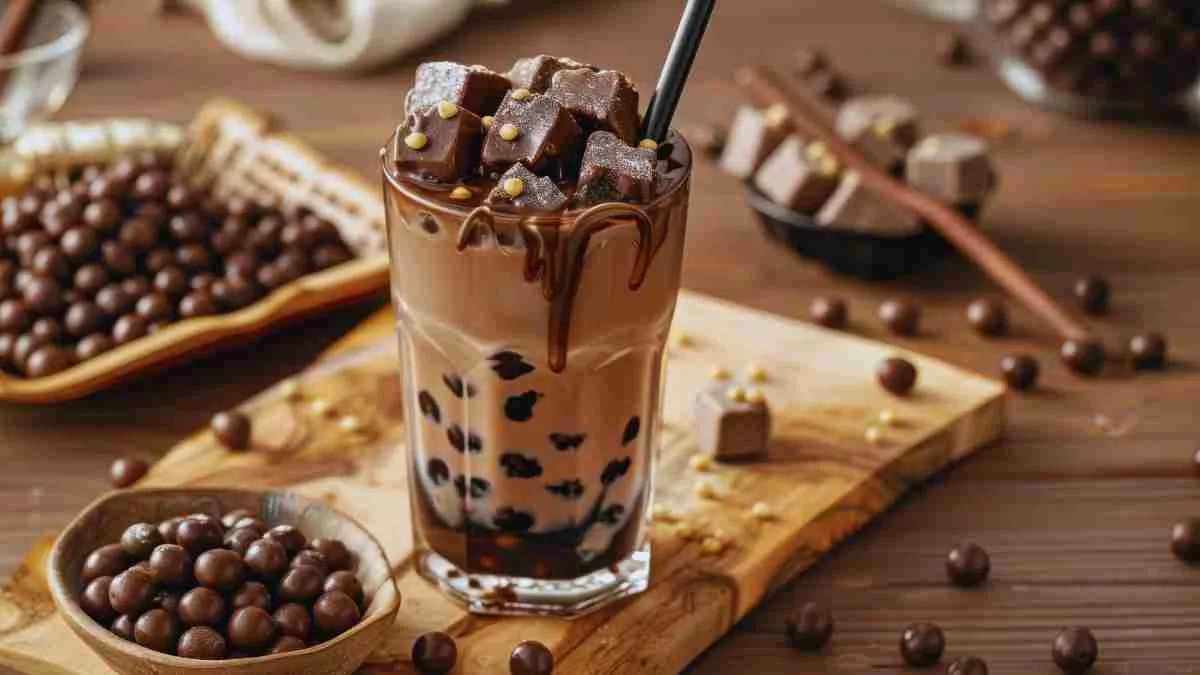
1. Classic Milk Tea with Tapioca Pearls
Ingredients:
-
1 cup black tea (or green tea)
-
2 tbsp sugar (adjust to taste)
-
¼ cup milk (dairy or non-dairy)
-
¼ cup cooked tapioca pearls
-
Ice
Instructions:
-
Brew the black tea and let it cool. You can use tea bags or loose-leaf tea for a stronger flavor.
-
While the tea is cooling, prepare the tapioca pearls by boiling them according to the package instructions, then soak them in a sugar syrup to make them sweet.
-
Once the tea is cool, mix it with milk (or your favorite dairy-free alternative).
-
In a glass, add the cooked tapioca pearls, pour in the milk tea, and add ice.
-
Stir well and enjoy with a wide straw!
2. Mango Fruit Tea with Popping Boba

Ingredients:
-
1 cup brewed green tea, cooled
-
½ cup mango puree or mango syrup
-
¼ cup popping boba (mango or strawberry flavored)
-
Ice
Instructions:
-
Brew the green tea and let it cool completely.
-
In a glass, combine the cooled tea with mango puree or syrup. Stir to mix.
-
Add ice and popping boba on top.
-
Stir gently to mix the popping boba into the drink, and enjoy!
Health Benefits of Bubble Tea:
Bubble tea is a fun, sweet treat, but how healthy is it? Here’s what you need to know:
-
Moderate Calories: Traditional bubble tea can be high in calories, especially with added sugar and milk. The tapioca pearls themselves are also high in carbs and calories, so it’s important to drink bubble tea in moderation.
-
Antioxidants from Tea: The tea used in bubble tea, whether it’s black, green, or matcha, is packed with antioxidants, which can help fight free radicals in the body and support overall health. Green tea, in particular, has been linked to a variety of health benefits, including improved metabolism and heart health.
-
Hydration: Since bubble tea is mostly liquid, it can contribute to your daily hydration needs. However, be cautious about the added sugars and syrups, which can lead to excess calories and sugar intake.
-
Customization: You can make bubble tea healthier by adjusting the sweetness level, using dairy-free milk, or adding fruit purees instead of syrups. This way, you can enjoy the flavors while keeping things a bit lighter.
According to Dr. Mark Hyman, a physician and nutrition expert:
“Green tea and other herbal teas are full of antioxidants, which can support metabolism and heart health. But bubble tea, like any sweet treat, should be enjoyed in moderation to avoid excessive sugar intake.” (drhyman.com)
Take Away:
Bubble tea is more than just a drink—it’s a fun and flavorful experience. With its origins in Taiwan, it has spread globally and evolved into countless variations, from classic milk tea to fruity creations and everything in between.
Making bubble tea at home can be a fun way to experiment with flavors and toppings, and you can even create healthier versions by adjusting the ingredients to suit your needs.
While bubble tea is delicious, it’s best enjoyed in moderation, especially if you’re concerned about sugar or calories. By using fresh fruit, reducing added sugars, and choosing lower-calorie options, you can enjoy this trendy treat without feeling guilty.
So next time you’re in the mood for something sweet and refreshing, why not try making your own bubble tea at home? With a little creativity, you can enjoy this delicious drink while knowing exactly what goes into it!
References:
-
Hyman, Mark. “The Health Benefits of Green Tea.” Dr. Hyman Blog, 2023.
-
“Does Drinking Tea Really Help Your Health?” Harvard Health, 2023.
-
“How Bubble Tea Became a Global Phenomenon.” BBC News, 2023.