
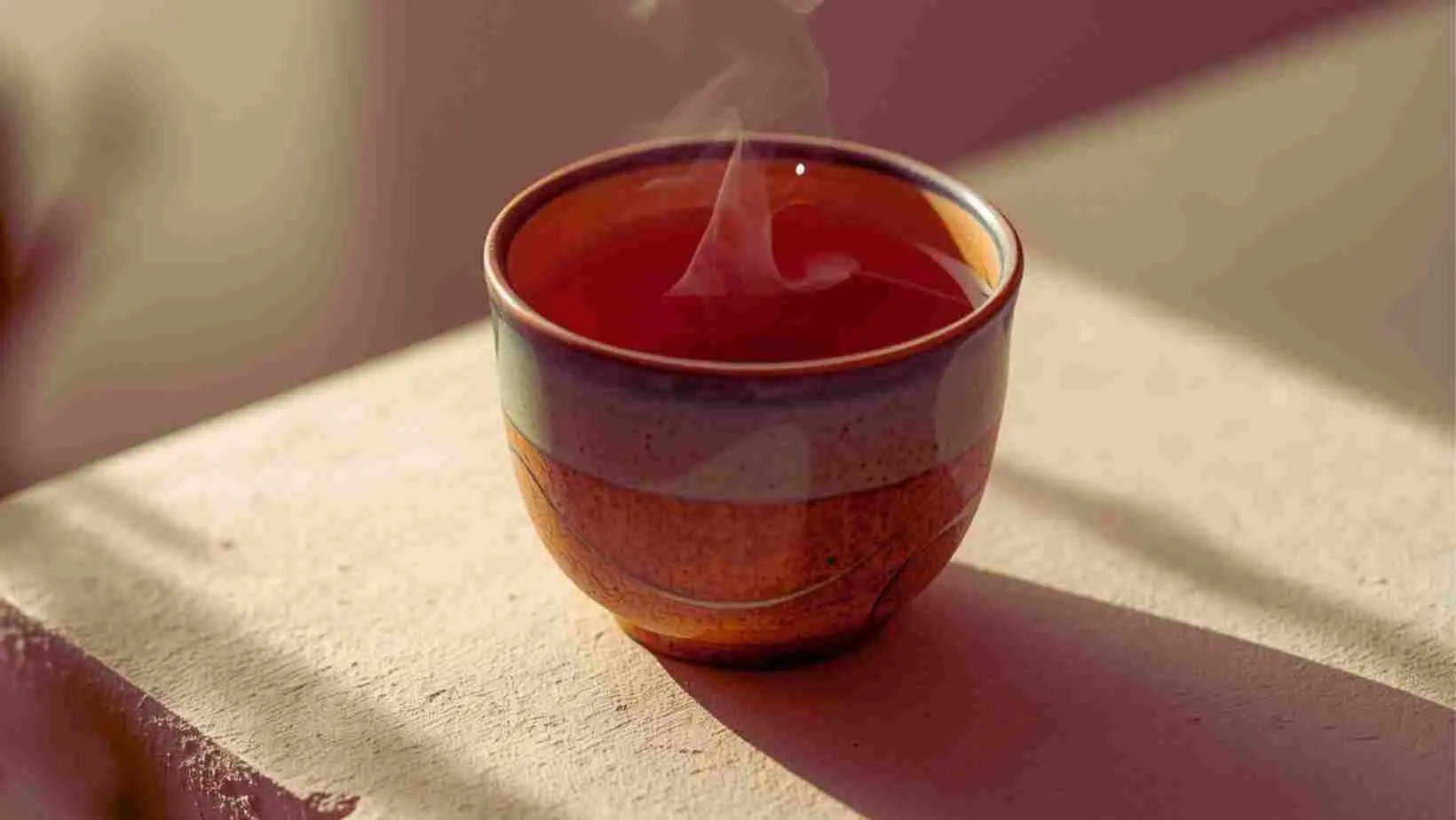
Chinese tea culture is one of the oldest and most influential tea traditions in the world. It includes the history of tea discovery, diverse tea types, gongfu brewing methods, ceremonial etiquette, regional practices, medicinal philosophy, and social meaning.
Rooted in harmony, mindfulness, and hospitality, Chinese tea culture connects daily life with spiritual reflection, health, and communal bonding.
Tea is more than a drink in China—it is a cultural symbol, a philosophy, a medicine, and a social tradition that has shaped daily life for thousands of years.
If enjoyed in a formal ceremony or a casual gathering, tea represents respect, purity, peace, and harmony.
As the birthplace of tea, China has influenced global tea production, preparation styles, tea ceremonies, and the evolution of tea as a beverage.
This article explores the Chinese Tea Culture, major tea varieties, brewing practices, symbolic meanings, regional customs, and modern relevance of Chinese tea culture.
History of Chinese Tea Culture:
The story of Chinese tea begins nearly 5,000 years ago. According to Chinese legend, tea was discovered by Emperor Shennong, who believed in tasting herbs to understand their medicinal value. A tea leaf accidentally falling into his boiling water marked the first cup of tea in history.
Over centuries, tea evolved through distinct cultural stages:
1. Tang Dynasty (618–907) – Birth of Tea Culture
Tea became widely consumed and documented in Lu Yu’s Classic of Tea, the world’s first tea manual. This period formalized tea preparation, utensils, and philosophy.
2. Song Dynasty (960–1279) – Artistic Tea Customs
Tea competitions, powdered tea whisking (similar to matcha), and refined tea aesthetics were popular.
3. Ming Dynasty (1368–1644) – Loose-Leaf Tea Popularity
Loose-leaf tea replaced powdered tea, giving rise to modern steeping traditions.
4. Qing Dynasty (1644–1912) – Export Tea & Global Influence
China became the global center of tea trade, influencing tea consumption in Europe and Asia.
Today, Chinese tea culture continues to evolve while preserving its foundational values.
Major Types of Chinese Tea:
China produces the world’s widest variety of teas, categorized by fermentation and processing:
1. Green Tea (绿茶 – Lǜ Chá)
Unoxidized, fresh, grassy.
Popular types: Longjing (Dragon Well), Biluochun, Huangshan Maofeng.
2. Black Tea (红茶 – Hóng Chá)
Fully oxidized with sweet, malty flavors.
Famous varieties: Keemun, Yunnan Dianhong.
3. Oolong Tea (乌龙茶 – Wūlóng Chá)
Semi-oxidized, fragrant, complex.
Well-known types: Tieguanyin, Da Hong Pao, Wuyi Rock Tea.
4. White Tea (白茶 – Bái Chá)
Minimally processed, delicate, high antioxidants.
Examples: Silver Needle, White Peony.
5. Pu’er Tea (普洱茶 – Pǔ’ěr Chá)
Fermented tea from Yunnan, improves with age.
Two types: Sheng (raw) and Shu (ripe).
6. Yellow Tea (黄茶 – Huáng Chá)
Lightly fermented, rare.
Varieties: Junshan Yinzhen, Huoshan Huangya.
Each type carries its own culture, flavor profile, and ritual significance.
Philosophy Behind Chinese Tea Culture:
Chinese tea culture reflects core Chinese philosophies:
1. Taoism – Harmony with Nature
Tea embraces simplicity, balance, and natural flow.
2. Confucianism – Respect & Social Order
Serving tea symbolizes politeness, gratitude, and moral cultivation.
3. Buddhism – Mindfulness & Purification
Tea drinking promotes awareness, meditation, and inner peace.
This combination makes tea a bridge between body, mind, and spirit.
The Gongfu Tea Ceremony (功夫茶):
The Gongfu Cha ceremony originates from Fujian and Guangdong. “Gongfu” means “skill,” highlighting precision and artistry.
Key steps include:
-
Warming the teaware
-
Rinsing the tea leaves
-
Multiple short infusions
-
Pouring with elegance
-
Appreciating aroma and taste
Essential Gongfu Teaware:
-
Gaiwan (lidded bowl)
-
Yixing clay teapot
-
Fairness pitcher (Cha Hai)
-
Scent cups
-
Tasting cups
The ceremony emphasizes patience, mindfulness, and the beauty of the moment.
Role of Tea in Chinese Daily Life:
In Chinese culture, tea is deeply integrated into many aspects of life:
1. Hospitality
Offering tea is a universal gesture of respect.
2. Family Gatherings
Tea symbolizes unity and bonding.
3. Festivals
Certain teas are served during New Year or weddings.
4. Work & Study
Tea drinking boosts focus and productivity.
5. Traditional Medicine
Tea is consumed for digestion, detoxification, and energy.
Chinese Tea and Traditional Medicine:
Chinese medicine considers tea a natural remedy with benefits such as:
-
Removing heat and toxins
-
Improving digestion
-
Reducing inflammation
-
Supporting liver health
-
Boosting energy (Qi)
-
Enhancing metabolism
-
Strengthening immunity
Herbal teas such as chrysanthemum, jasmine, and Pu’er have specific medicinal uses.
Regional Tea Traditions in China:
1. Fujian – Birthplace of Oolong
Home to Tieguanyin & Wuyi Rock teas.
Known for Gongfu brewing.
2. Yunnan – Origin of Pu’er Tea
Ancient tea trees aged hundreds of years.
3. Zhejiang – Famous for Longjing
Hangzhou’s West Lake region produces world-class green tea.
4. Sichuan – Teahouses
Relaxed teahouse culture where tea meets conversation.
5. Guangdong – Cantonese Tea Houses
Dim sum is traditionally paired with tea.
Each region has unique rituals, flavors, and cultural expressions.
Symbolic Meaning of Tea in Chinese Culture:
Tea carries deep symbolic values:
-
Purity – simplicity of ingredients
-
Respect – especially the act of serving tea
-
Harmony – connection to nature
-
Humility – appreciating small pleasures
-
Wisdom – tea and reflection go together
Even in modern society, tea remains a symbol of peace and civilized behavior.
Modern Influence of Chinese Tea Culture:
1. Global Tea Trends
Chinese tea influenced matcha, bubble tea, herbal infusions, and wellness teas worldwide.
2. Tea Tourism
Regions like Hangzhou, Yunnan, and Fujian attract global visitors.
3. Health & Wellness
Demand for green tea and Pu’er tea continues to rise due to their antioxidant properties.
4. Tea Art & Competitions
Modern tea masters blend tradition with innovation.
Chinese tea culture continues evolving while preserving its ancient essence.
Read Next: Tulsi Tea Benefits | Why Tulsi Tea Is Good
Evidence Supporting Chinese Tea Benefits:
Scientific studies by institutions such as:
-
Harvard Health Publishing
-
Journal of Nutrition
-
National Institutes of Health (NIH)
-
American Journal of Clinical Nutrition
highlight benefits of teas commonly consumed in China:
-
Green tea: antioxidants, heart health
-
Oolong tea: metabolism support
-
Pu’er tea: gut microbiome benefits
-
White tea: anti-inflammatory properties
These modern findings align with traditional Chinese beliefs about tea’s healing powers.