
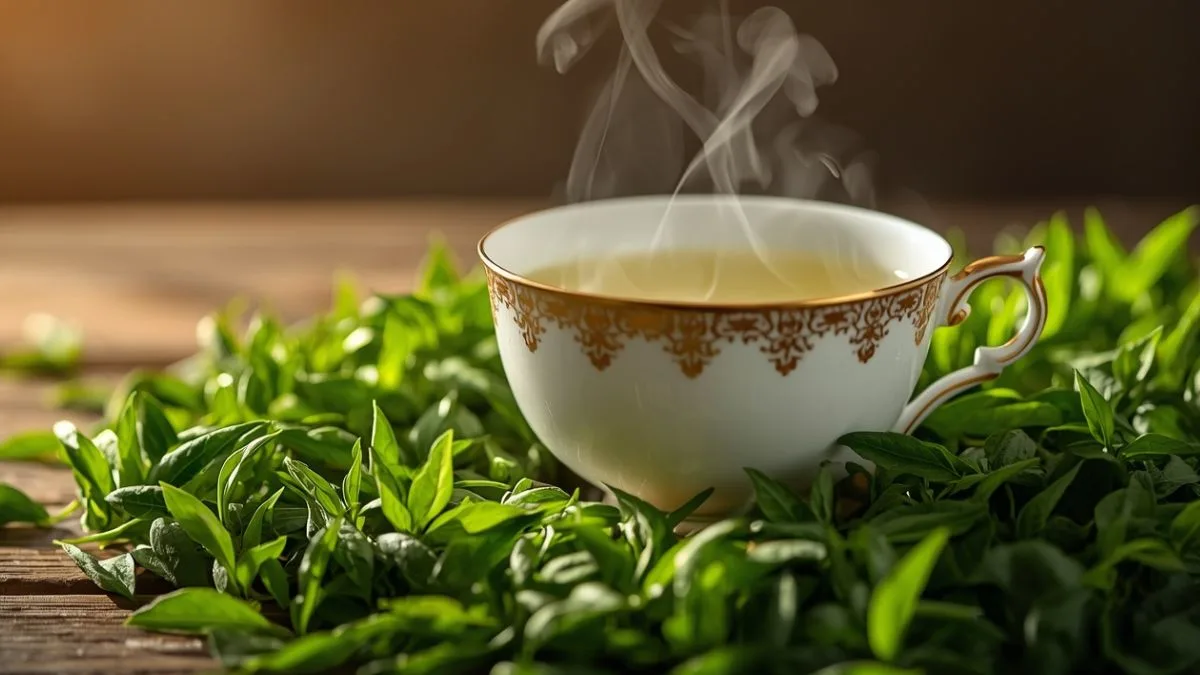
Green tea leaves come from the Camellia sinensis plant and are known for their rich antioxidants, catechins (especially EGCG), and natural polyphenols. The leaves undergo minimal oxidation, helping preserve their nutrients.
Evidence from reputable sources such as Harvard Health, Cleveland Clinic, and NIH suggests that green tea leaves may support heart health, weight loss, brain function, immunity, and overall wellness.
This article explains what Green Tea Leaves are, how they’re processed, their types, benefits, and how to use them effectively.
What Are Green Tea Leaves?
Green tea leaves come from the Camellia sinensis plant—an evergreen shrub native to Asia but now cultivated worldwide. These leaves differ from black or oolong tea leaves mainly because they undergo minimal oxidation, a process that preserves their:
-
Chlorophyll
-
Catechins
-
Polyphenols
-
Antioxidants
-
L-theanine
-
Vitamins & minerals
This lack of oxidation gives green tea its fresh, grassy flavor and rich green hue.
How Green Tea Leaves Are Processed:
The way green tea leaves are processed determines their taste, nutritional profile, and quality. Below is the step-by-step process:
1. Harvesting
Green tea leaves are usually hand-plucked to ensure only the tender young buds and leaves are selected.
First flush, second flush, early harvest.
2. Withering
Leaves lose excess moisture and soften, making them easier to shape.
3. Heat Fixation (Kill-Green)
This stops oxidation and sets green tea apart from black tea.
Methods:
-
Steam-firing (Japan)
-
Pan-firing (China)
This preserves key nutrients like EGCG and polyphenols.
Evidence:
According to Harvard Health, lower oxidation contributes to higher antioxidant levels in green tea compared to black tea.
4. Rolling & Shaping
Leaves are rolled into shapes such as needles, spirals, or pellets.
5. Drying
Final drying enhances flavor and preserves freshness.
Read Next: What Is Green Tea? Benefits, Types & Uses Explained
Types of Green Tea Leaves:
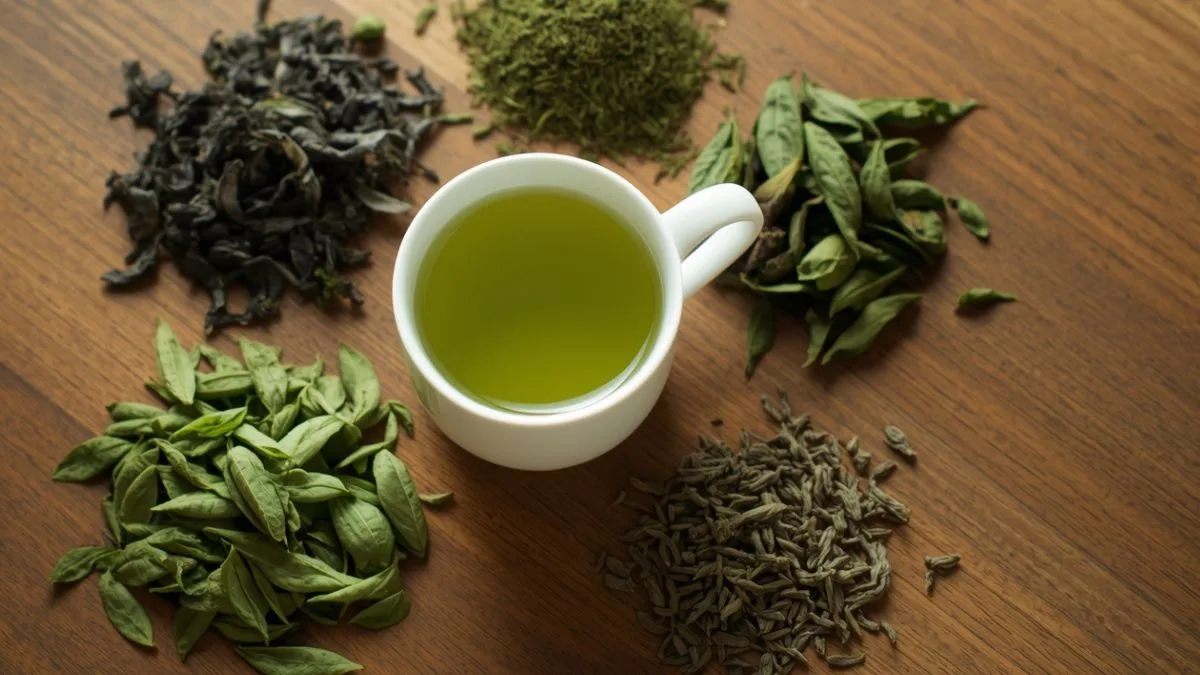
Different types of green tea leaves offer unique flavors and health profiles.
1. Sencha Leaves
-
Most common Japanese green tea
-
Grassy, bright, refreshing flavor
-
High in vitamin C and L-theanine
2. Longjing (Dragon Well) Leaves
-
Pan-fired Chinese tea
-
Nutty flavor
-
Flat, hand-pressed leaves
3. Matcha Leaves
-
Shade-grown leaves (Tencha)
-
Stone-ground into powder
-
Rich in chlorophyll and antioxidants
Evidence:
Cleveland Clinic notes matcha has significantly higher antioxidant concentration because the whole leaf is consumed.
4. Gyokuro Leaves
-
High-grade shade-grown Japanese tea
-
Umami flavor
-
High in L-theanine
5. Hojicha Leaves
-
Roasted green tea
-
Lower caffeine, warm aroma
6. Genmaicha Leaves
-
Mixed with roasted rice
-
Mild, toasty flavor
Nutritional Components of Green Tea Leaves:
Green tea leaves are nutrient-dense and contain several bioactive compounds:
1. Catechins (EGCG)
The key antioxidant that supports metabolism, immunity, and cellular health.
Evidence:
Research in the Journal of Nutrition highlights catechins as powerful agents against oxidative stress.
2. Polyphenols
Help reduce inflammation and protect cells from damage.
3. L-Theanine
A calming amino acid promoting focus, relaxation, and mental clarity.
4. Caffeine
Lower levels than coffee but enough to improve alertness.
5. Vitamins & Minerals
-
Vitamin B2
-
Vitamin C (in steamed teas)
-
Folate
-
Manganese
Health Benefits of Green Tea Leaves (Evidence-Based):
Green tea leaves have been studied extensively, and many benefits are supported by scientific research.
1. Supports Heart Health
Green tea leaves can help reduce cholesterol, support artery function, and improve blood pressure.
Evidence:
According to Harvard Health, polyphenols in green tea may lower LDL cholesterol and improve cardiovascular health.
2. Helps With Weight Loss
Green tea leaves are known for boosting metabolism.
Why:
-
EGCG increases fat oxidation
-
Caffeine boosts energy
-
Helps burn calories during exercise
Evidence:
NIH reports that EGCG plus caffeine supports thermogenesis and fat metabolism.
3. Enhances Brain Function
The combination of L-theanine and moderate caffeine improves cognitive performance.
Evidence:
Studies in Nutritional Neuroscience show improved attention, memory, and reduced stress.
4. Reduces Inflammation
Polyphenols in green tea leaves reduce inflammation at the cellular level.
Evidence:
Cleveland Clinic indicates EGCG helps block inflammatory pathways.
5. Supports Blood Sugar Control
Green tea leaves may improve insulin sensitivity and glucose metabolism.
Evidence:
The American Journal of Clinical Nutrition reported improved glycemic control with green tea extract.
6. Supports Immunity
Antioxidants in green tea leaves help defend the body from infections.
7. Improves Skin Health
Green tea leaves contain compounds that support skin elasticity, hydration, and protection from UV damage.
Evidence:
Research shows EGCG helps protect the skin from oxidative damage and inflammation.
8. Supports Gut Health
Polyphenols act as prebiotics and support beneficial gut bacteria.
How to Use Green Tea Leaves:
Green tea leaves can be used in multiple ways:
1. Traditional Brewing
Steep loose leaves at 70°C – 80°C for 1–3 minutes.
2. Cold Brew
Soak leaves in cold water for 6–8 hours for a refreshing, low-caffeine drink.
3. Culinary Use
-
Matcha lattes
-
Smoothies
-
Baking
-
Desserts
-
Health supplements
4. Skincare
Green tea extract is widely used in:
-
Serums
-
Toners
-
Moisturizers
-
Face masks
Evidence:
Dermatology studies highlight the anti-aging and anti-inflammatory benefits of green tea extract.
How to Choose High-Quality Green Tea Leaves:
Look For:
-
Whole leaves (not dust/fannings)
-
Bright green color
-
Fresh aroma
-
Harvest seasons (first flush is best)
-
Organic or shade-grown varieties
Higher-quality leaves offer better flavor and more antioxidants.
Potential Side Effects:
Green tea leaves are generally safe, but overconsumption may cause:
-
Caffeine jitters
-
Stomach irritation
-
Iron absorption interference
-
Sleep disturbances
Moderation is key: 2–3 cups per day is ideal.
Green Tea Leaves: A Brief History
Ancient China (2737 BCE)
Legend says Emperor Shennong discovered tea accidentally.
Japan’s Tea Culture
Matcha and Sencha developed through Zen Buddhism.
Modern Use
Green tea leaves are now used globally in beverages, supplements, and skincare.
Last Call:
Green tea leaves are one of the most versatile and health-supportive plants in the world.
Packed with catechins, polyphenols, amino acids, and essential nutrients, they offer powerful antioxidant and anti-inflammatory effects. From traditional brewing to modern wellness products, green tea leaves are deeply rooted in health culture, scientific research, and global traditions.