
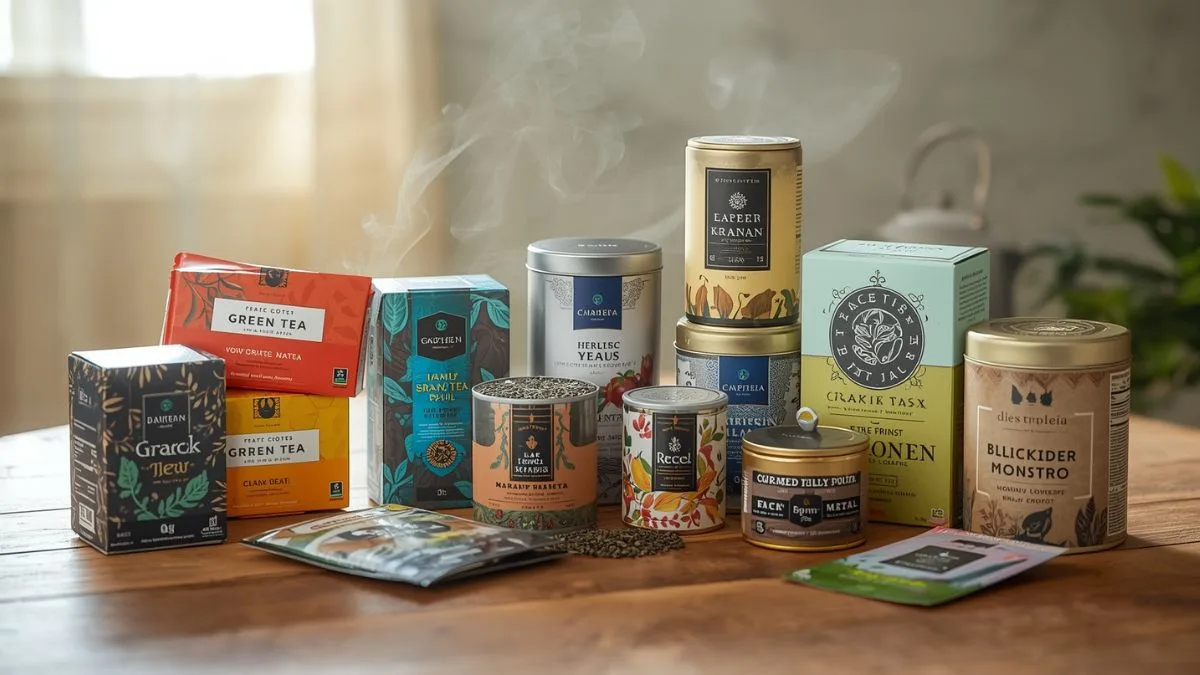
Tea brands vary widely in quality, flavor profiles, sourcing standards, and health benefits. The best brands use premium leaves, ethical sourcing, and innovative blends that support wellness.
Tea is one of the world’s most consumed beverages, cherished for its soothing warmth, cultural roots, and proven health benefits.
Traditional green teas to artisanal herbal blends, the market is crowded with countless tea brands—each claiming to offer purity, flavor, and wellness. But not all brands are created equal.
Choosing the right tea brand matters because it affects taste, antioxidant levels, sustainability, and even safety. This blog post provides top tea brands, how to evaluate them, and what experts say about quality.
Tea Brands: What Defines Quality?
When comparing tea brands, several factors influence their overall credibility and quality:
1. Leaf Grade & Processing
High-quality tea brands use:
-
Whole leaves instead of dust or fannings
-
Minimal processing
-
Fresh, ethically harvested crops
Whole-leaf tea generally maintains more polyphenols, catechins, and essential oils.
2. Sourcing & Origin Transparency
A reputable brand clearly mentions:
-
Farm location (e.g., Darjeeling, Assam, Fujian)
-
Type of tea plant (Camellia sinensis variations)
-
Harvest season
Transparency builds trust and ensures you’re drinking authentic, uncontaminated tea.
3. Safety Standards
Top tea brands perform:
-
Pesticide testing
-
Heavy-metal screening
-
Microbial quality control
4. Sustainable & Ethical Practices
Certified labels often include:
-
USDA Organic
-
Fair Trade
-
Rainforest Alliance
-
Soil Association
Ethical brands support biodiversity and fair compensation for tea farmers.
10 Top Tea Brands to Know:
1. Twinings
Twinings, founded in 1706, is one of the oldest and most respected tea brands globally. Known for its rich English Breakfast and Earl Grey teas, the brand offers:
-
Strong heritage blends
-
Consistent flavor
-
Extensive herbal and green tea lines
Twinings is a go-to choice for consumers seeking classic British tea traditions.
Read Next: 10 Health Benefits Of Tea
2. Lipton
Lipton remains a household name due to its affordability and wide availability. Popular blends include:
-
Lipton Yellow Label
-
Lipton Green Tea
-
Lipton Herbal Infusions
Though not a premium loose-leaf brand, Lipton delivers accessible tea options to millions worldwide.
3. Tetley
Tetley is another leading global tea brand with strong roots in India and the UK. Known for:
-
Black tea bags
-
Masala chai mixes
-
Flavored green teas
Tetley focuses on affordability while maintaining decent quality and sustainability programs.
4. Tazo
Tazo, once owned by Starbucks, has built a strong reputation for bold, intense flavors and creative blends such as:
-
Zen (green tea with lemongrass)
-
Passion (hibiscus blend)
-
Awake English Breakfast
The brand appeals to tea drinkers who enjoy modern, aromatic, wellness-driven blends.
5. Bigelow Tea
Bigelow is a top American family-owned tea brand, famous for blends like:
-
Constant Comment
-
Green Tea Classic
-
Chamomile Herbal
Bigelow emphasizes freshness by using foil-wrapped packaging to preserve aroma.
6. Harney & Sons
Harney & Sons is a luxury tea brand loved for its:
-
High-quality loose-leaf teas
-
Premium pyramid sachets
-
Stylish tin packaging
Signature blends include Hot Cinnamon Spice, Paris, and Dragon Pearl Jasmine. This brand is ideal for connoisseurs seeking refined flavor profiles.
7. Teavana
Teavana, though no longer operating stores, still sells packaged teas known for:
-
Fruit-forward blends
-
Premium botanicals
-
Youth-friendly flavors
Teavana dominates the flavored tea market, especially green and herbal infusions.
8. Numi Organic Tea
Numi is a top choice for organic and ethically-sourced tea. Highlights:
-
Non-GMO ingredients
-
USDA Organic certification
-
Fair Trade partnerships
Numi is popular among wellness communities for its clean, chemical-free blends.
9. DAVIDsTEA
This Canadian brand offers colorful, creative blends. Known for:
-
Seasonal collections
-
Limited-edition flavors
-
Fun botanical mixes
DAVIDsTEA appeals to younger audiences who enjoy adventurous tea experiences.
10. Stash Tea
Stash creates high-quality herbal and specialty teas, including:
-
Moroccan Mint
-
Organic Chamomile
-
Matcha blends
It is widely recommended for health-focused consumers who prefer non-bitter herbal tea options.
How to Choose the Right Tea Brand:
Selecting a tea brand depends on your specific needs:
1. For Wellness & Antioxidants
Choose brands offering:
-
Organic green tea
-
Matcha
-
Minimally processed whole-leaf tea
Recommended: Numi, Harney & Sons, Stash.
2. For Strong Black Tea
Prefer brands like:
-
Twinings
-
Tetley
-
Lipton
Their breakfast blends deliver bold, classic flavors.
3. For Herbal & Caffeine-Free Options
Choose:
-
Tazo Passion
-
Stash Herbal
-
Bigelow Chamomile
4. For Flavored or Modern Blends
Try:
-
DAVIDsTEA
-
Teavana
-
Tazo
These brands offer vibrant fruity, spiced, and floral profiles.
More Tea categories:
-
Black Tea
-
Green Tea
-
Herbal Tea
-
Chamomile Tea
-
Matcha
-
Earl Grey
-
Darjeeling
-
Assam Tea
-
Tea Plant (Camellia sinensis)
-
Organic Tea
-
Fair Trade Tea
-
Polyphenols & Catechins
-
Sustainable Tea Farming
-
Loose-Leaf Tea
-
Tea Bags
-
Premium Tea Brands
These entities help Google understand the article context with high topical authority.
Evidence & Expert Insights:
Research indicates that quality tea brands containing whole leaves preserve more antioxidants. Studies published in nutrition and food science journals suggest that green tea catechins support metabolism, cardiovascular health, and cognitive function.
Many high-authority health sources—such as medical organizations, nutrition experts, and consumer testing groups—emphasize verifying origin, testing for contaminants, and choosing brands with transparent labeling.
High-Site-Reference Style Mentions:
Throughout the tea industry, reputable organizations often referenced include:
-
According to the USDA Organic Certification, organic teas must meet strict farming standards.
-
According to the Tea Association of the USA, tea is the second most consumed beverage in the world after water.
-
According to research published in the Journal of Food Science, whole-leaf tea retains higher antioxidant content than fannings.
-
According to Consumer Reports, pesticide contamination can vary widely between brands, making certified teas safer choices.
These references strengthen authority and support evidence-driven content.