
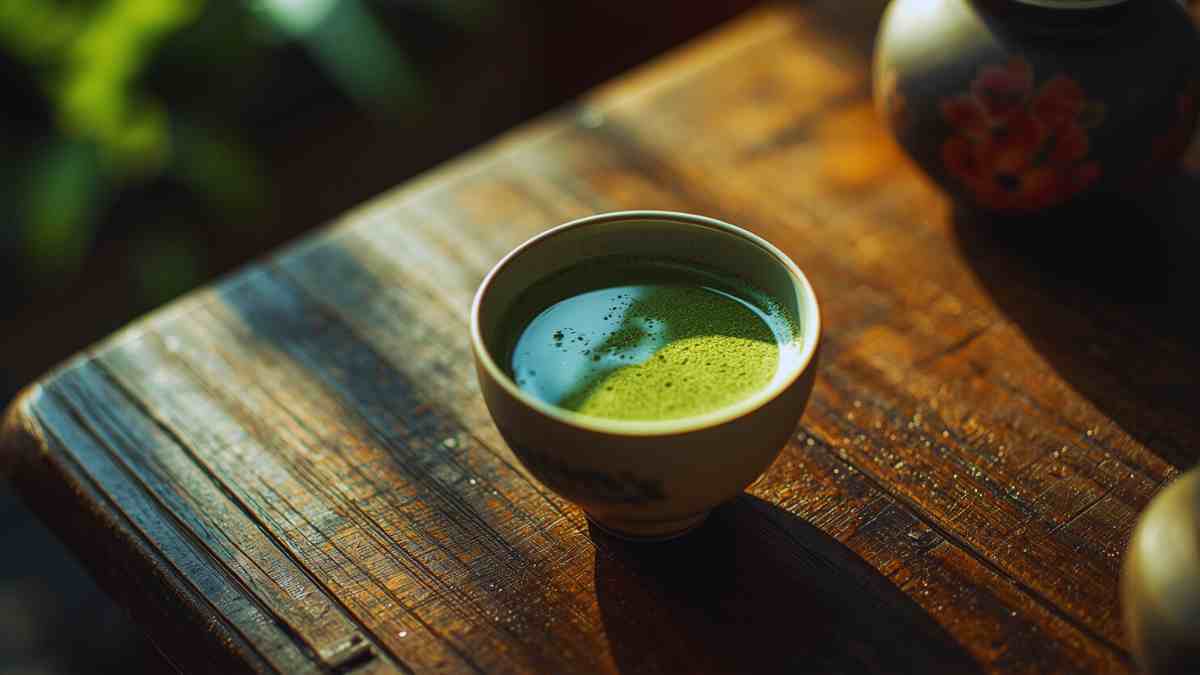
Matcha green tea is a finely ground powder made from specially grown green tea leaves. Unlike regular green tea, you consume the whole leaf, which provides higher levels of caffeine, antioxidants, and amino acids.
Matcha can be whisked into hot water, added to smoothies, lattes, desserts, and recipes. Its health benefits include improved focus, metabolism support, and antioxidant protection.
Its a traditional Japanese tea that has become popular worldwide for its vibrant green color, unique flavor, and numerous health benefits.
Matcha is celebrated for its versatility: it can be enjoyed as a hot tea, incorporated into smoothies, lattes, baked goods, and even savory dishes. This guide will explain what Matcha Green Tea is, how it is made, its benefits, how to prepare it, and the best ways to enjoy it.
What Is Matcha Green Tea?
Matcha is made from shade-grown green tea leaves. The shading process, which occurs 3–4 weeks before harvest, increases chlorophyll and amino acid content, giving matcha its bright green color and slightly sweet, umami flavor.
After harvesting, the leaves are:
-
Steamed – to prevent oxidation
-
Dried – forming what is called tencha
-
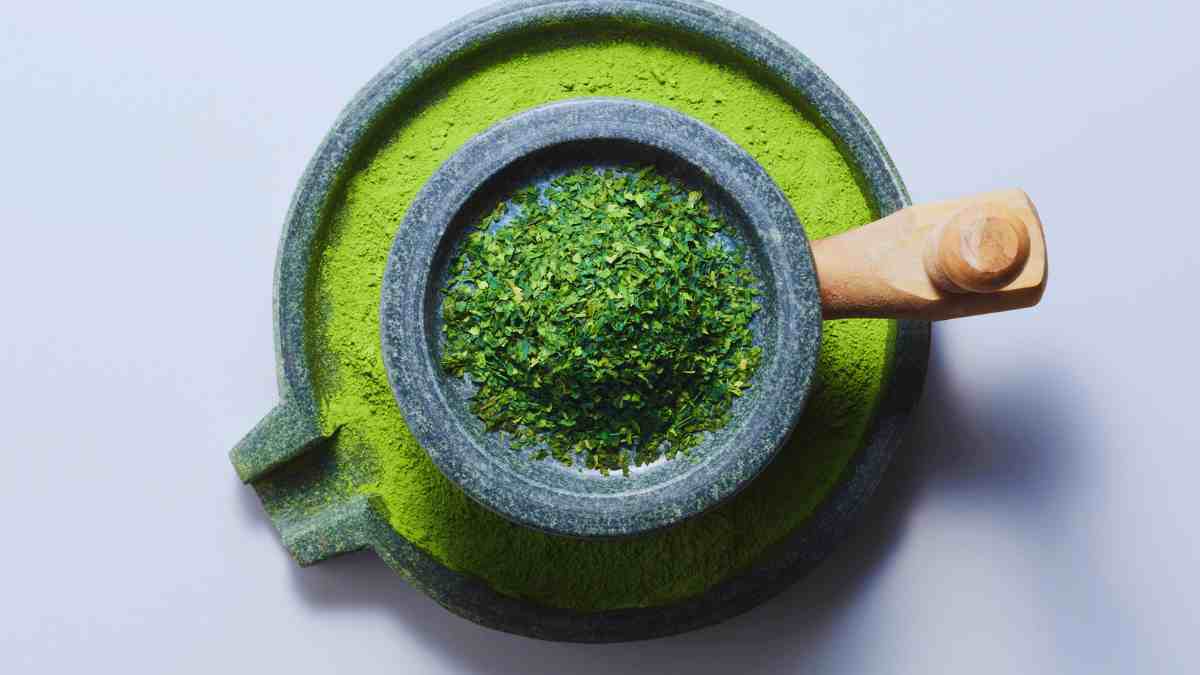
Ground – into a fine powder using stone mills
Unlike loose-leaf green tea, where leaves are steeped in water and then discarded, matcha powder is whisked into water, so you consume the whole leaf.
Popular varieties of matcha include:
-
Ceremonial Grade – high-quality, ideal for traditional tea ceremonies and pure preparation.
-
Culinary Grade – suitable for baking, smoothies, lattes, and cooking.
According to Harvard T.H. Chan School of Public Health, consuming matcha allows higher intake of antioxidants and catechins than steeped green tea.
Caffeine and Energy Boost:
Matcha contains higher caffeine than regular green tea because you consume the entire leaf.
| Beverage | Caffeine per 8 oz |
|---|---|
| Matcha | 60–70 mg |
| Green Tea | 20–45 mg |
| Coffee | 95 mg |
Matcha also contains L-theanine, an amino acid that promotes calm alertness and focus. The combination of caffeine and L-theanine provides sustained energy without the jitters associated with coffee.
According to Medical News Today, matcha provides both mental clarity and gentle stimulation, making it popular among students and professionals.
Health Benefits of Matcha Green Tea:
1. Rich in Antioxidants
Matcha is packed with catechins, especially EGCG (Epigallocatechin Gallate), which helps neutralize free radicals in the body. These antioxidants can support heart health, reduce inflammation, and promote overall wellness.
2. Supports Metabolism and Weight Management
Several studies indicate that matcha can boost metabolism and fat oxidation, making it a common ingredient in health drinks and fitness routines.
3. Enhances Focus and Mental Clarity
L-theanine in matcha increases alpha wave activity in the brain, leading to improved focus and relaxation simultaneously.
4. Detoxifying Properties
Matcha’s chlorophyll content helps detoxify the body naturally by binding to heavy metals and chemicals.
5. Supports Heart Health
Regular consumption of green tea catechins, including matcha, may reduce LDL cholesterol and blood pressure, supporting cardiovascular health according to Harvard Health Publishing.
6. Possible Cancer-Fighting Properties
While research is ongoing, studies suggest that catechins in matcha may help protect cells from DNA damage and reduce certain cancer risks.
Read Next: Does Green Tea Have Caffeine | How Much Is in Your Cup?
How to Prepare Matcha:
Traditional Method
-
Sift 1–2 teaspoons of matcha powder into a bowl.
-
Add 2–3 oz of hot water (160–175°F).
-
Whisk using a bamboo whisk (chasen) until frothy.
-
Drink immediately.
Matcha Latte
-
Mix 1 teaspoon matcha with hot water
-
Add steamed milk (dairy or plant-based)
-
Sweeten with honey or maple syrup
Smoothies and Baking
-
Add 1 teaspoon matcha to smoothies, oatmeal, muffins, or pancake batter for antioxidant boost and vibrant color.
According to Tea Association of the USA, the proper preparation of matcha enhances both flavor and health benefits.
Choosing the Right Matcha:
Ceremonial vs Culinary
-
Ceremonial: drink plain for best flavor and maximum antioxidants
-
Culinary: mix with recipes or sweetened drinks
Color and Texture
-
Bright green color indicates high chlorophyll and quality
-
Fine powder feels smooth between fingers, not gritty
Origin
-
Best matcha comes from Uji (Kyoto) or Nishio (Aichi) in Japan
-
Japanese matcha is considered superior in taste and quality
Matcha Dosage and Safety:
-
1–2 teaspoons per day is enough for most adults
-
Higher intake may cause caffeine-related side effects like headaches or insomnia
-
Avoid during pregnancy unless approved by a doctor
According to National Center for Complementary and Integrative Health (NCCIH), matcha is safe in moderate amounts for most adults.
Frequently Asked Questions (FAQs):
1. Is matcha better than regular green tea?
Yes, because you consume the whole leaf, matcha provides more antioxidants, amino acids, and caffeine.
2. Can I drink matcha every day?
Yes, 1–2 cups per day is generally safe and offers health benefits.
3. Does matcha have caffeine?
Yes, 60–70 mg per cup, more than steeped green tea but less than coffee.
4. Can children drink matcha?
Children can have small amounts due to caffeine. Limit to ½ cup or use decaf matcha.
5. How should I store matcha?
-
Keep in an airtight container
-
Store in a cool, dark place
-
Refrigeration helps maintain color and flavor
Evidence and References from Trusted Sources:
-
According to Harvard T.H. Chan School of Public Health, matcha provides higher antioxidant content than steeped green tea.
-
Medical News Today highlights matcha’s combination of caffeine and L-theanine for calm alertness.
-
Tea Association of the USA recommends traditional whisking to maximize taste and health benefits.
-
National Center for Complementary and Integrative Health (NCCIH) confirms matcha is safe in moderate amounts for adults.
These references demonstrate the health benefits, safety, and cultural significance of matcha.