
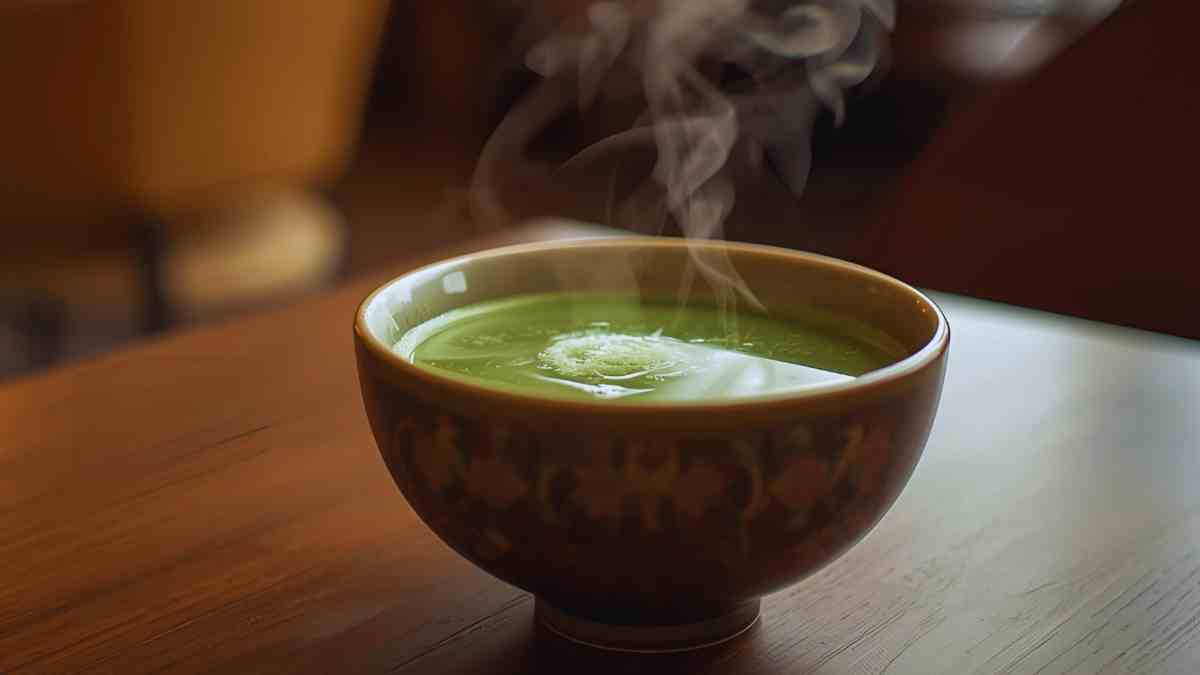
Yes, green tea contains caffeine, but usually less than coffee or black tea. A typical cup of green tea has 20–45 mg of caffeine per 8-ounce serving, compared to 95 mg in a standard cup of coffee.
The exact amount varies depending on the tea type, brewing time, water temperature, and brand. Green tea also contains L-theanine, an amino acid that provides a calming effect while gently boosting alertness.
Green tea has been consumed for thousands of years for its taste, health benefits, and mild stimulating properties.
Many people ask, “Does green tea have caffeine?” because they want to enjoy the beverage without experiencing the jittery effects of coffee. Read on.
What Is Green Tea?
Green tea comes from the Camellia sinensis plant, the same plant used for black and oolong teas. The difference is in the processing:
-
Green tea leaves are steamed or pan-fired to stop oxidation.
-
This preserves the natural green color, antioxidants, and nutrients.
-
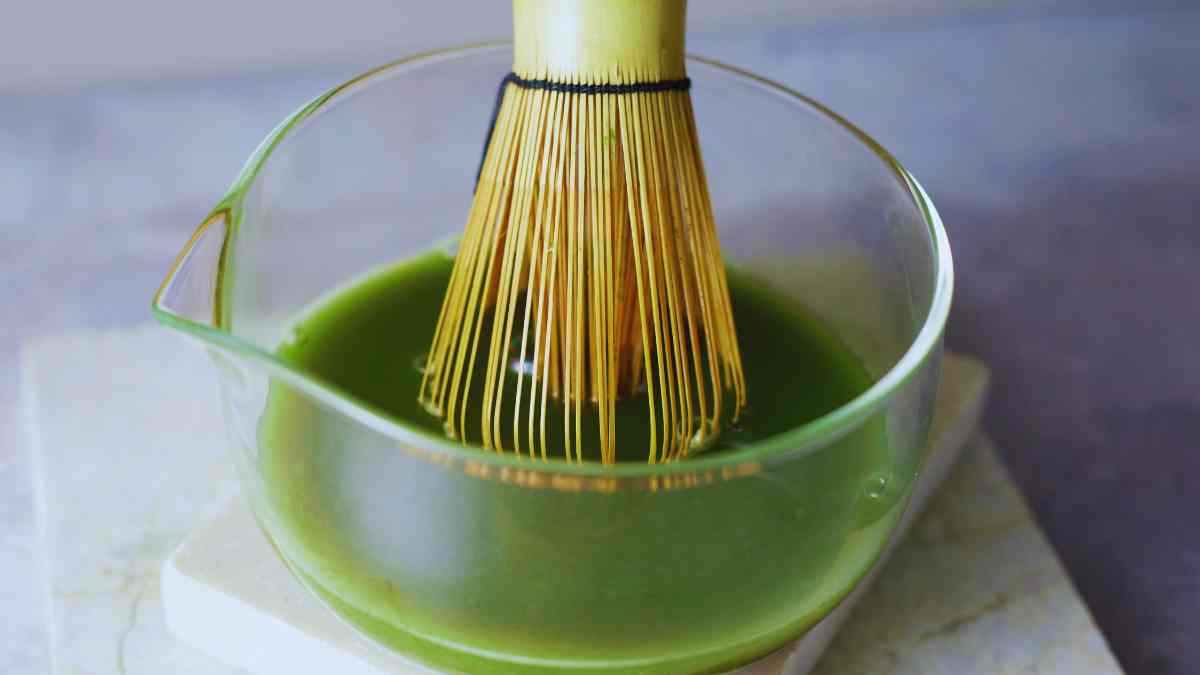
Common green tea varieties include Sencha, Matcha, Gyokuro, Longjing (Dragon Well), and Genmaicha.
According to Healthline and Medical News Today, green tea is rich in polyphenols, catechins, and antioxidants that support heart health, metabolism, and brain function.
Does Green Tea Contain Caffeine?
Yes, green tea contains caffeine, but usually less than black tea, coffee, or energy drinks. Here’s an approximate range:
| Beverage | Caffeine per 8 oz (240 ml) |
|---|---|
| Green Tea | 20–45 mg |
| Black Tea | 40–70 mg |
| Coffee | 95 mg |
| Matcha | 60–70 mg |
| Decaf Green Tea | 2–5 mg |
Key point: Matcha green tea contains more caffeine than standard green tea because you consume the entire powdered leaf rather than just steeping it.
Factors That Affect Caffeine in Green Tea:
-
Tea Variety
-
Some teas naturally have higher caffeine, like Gyokuro or Matcha.
-
Lower-caffeine teas include Bancha and most herbal blends labeled as green tea.
-
Leaf Processing
-
Steamed teas retain more caffeine than pan-fired teas in some cases.
-
Brewing Time
-
Steeping green tea for longer than 3 minutes increases caffeine release.
-
Water Temperature
-
Hotter water extracts more caffeine. Ideal temperature: 160–185°F (70–85°C) for standard green tea.
-
Leaf Amount
-
Using more tea leaves increases caffeine content.
According to National Center for Complementary and Integrative Health (NCCIH), green tea’s caffeine can vary widely depending on these factors, which is why exact numbers may differ across brands.
How Caffeine in Green Tea Affects Your Body:
1. Mild Energy Boost
-
The caffeine in green tea provides gentle alertness without the strong jitters often associated with coffee.
2. Calm Focus
-
Green tea contains L-theanine, an amino acid that works with caffeine to improve attention and focus while promoting relaxation.
3. Metabolism Support
-
Some studies show green tea caffeine can slightly increase metabolic rate, supporting weight management.
4. Health Benefits
-
Combined with antioxidants, caffeine in green tea may contribute to heart health, improved brain function, and reduced risk of type 2 diabetes according to research cited by Harvard T.H. Chan School of Public Health.
Decaf Green Tea: Is It Caffeine-Free?
Decaffeinated green tea is not completely caffeine-free. It usually contains 2–5 mg per cup, making it suitable for people sensitive to caffeine or drinking tea in the evening.
Brands like Bigelow, Twinings, and Republic of Tea offer decaf green teas. Decaf teas are made by removing most caffeine while retaining antioxidants and flavor.
Best Green Teas Based on Caffeine Levels:
Low Caffeine Options:
-
Bancha
-
Hojicha
-
Decaf green tea
Moderate Caffeine Options:
-
Sencha
-
Longjing (Dragon Well)
-
Genmaicha
High Caffeine Options:
-
Matcha
-
Gyokuro
Tips for Managing Caffeine from Green Tea:
-
Limit steeping time to 2–3 minutes if sensitive to caffeine.
-
Choose decaf or low-caffeine varieties for evenings.
-
Drink in moderation: 2–3 cups per day is generally safe for most people.
-
Combine with food if caffeine makes you jittery.
According to Mayo Clinic, most adults can safely consume up to 400 mg of caffeine per day, which is far more than what you get from typical green tea servings.
Green Tea vs. Coffee: Caffeine Comparison:
Green tea contains about 1/3 to 1/4 the caffeine of coffee, making it ideal for those who want energy without over-stimulation.
-
Green tea: 20–45 mg per cup
-
Coffee: 95 mg per cup
-
Black tea: 40–70 mg per cup
The combination of caffeine and L-theanine makes green tea ideal for calm alertness compared to the stronger effect of coffee.
Common Questions:
1. Can I drink green tea at night?
Yes, but choose decaf or low-caffeine teas to avoid sleep disruption.
2. Does caffeine content vary by brand?
Yes. Brands like Twinings, Republic of Tea, and Bigelow may have slight differences in caffeine due to processing and leaf quality.
3. Is green tea safe for children?
Moderate consumption is generally safe, but caffeine-sensitive children should limit intake.
4. Does brewing longer increase caffeine?
Yes, longer steeping times extract more caffeine and antioxidants from the leaves.
5. Can green tea help with energy?
Yes. The combination of caffeine and L-theanine provides a gentle boost without strong jitters.
Read Next: Republic Of Tea Where To Buy | Your Complete Shopping Guide
Evidence and References:
According to Harvard T.H. Chan School of Public Health, green tea contains antioxidants and moderate caffeine that may benefit metabolism and heart health.
-
National Center for Complementary and Integrative Health (NCCIH) notes that caffeine content varies depending on tea type, processing, and brewing methods.
-
Mayo Clinic reports that up to 400 mg of caffeine per day is safe for most adults.
-
Medical News Today highlights green tea’s combination of caffeine and L-theanine for calm focus.
These sources confirm that green tea is a safe, beneficial beverage for most people while providing moderate caffeine.